
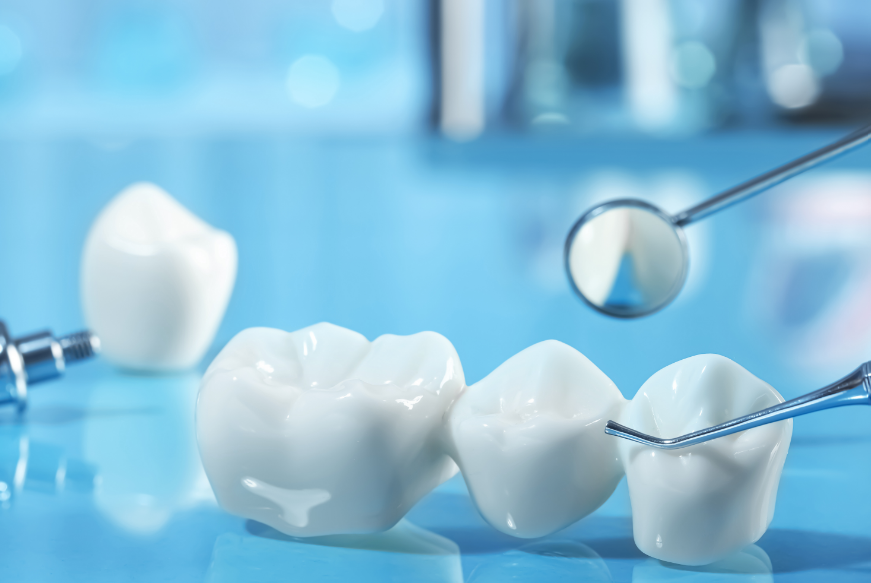
If your dentist has recommended a dental crown, it’s normal to feel a little nervous, especially if you’ve never had one before. Many patients worry that the process will be painful or uncomfortable. The reassuring news is that getting a dental crown typically does not hurt, and modern dental techniques are designed to keep you comfortable every step of the way.
Understanding what happens during the procedure can help ease anxiety and set realistic expectations.
What a Dental Crown Is and Why You Might Need One
A dental crown is a custom-made cap placed over a tooth to restore its strength, shape, and appearance. Crowns are often recommended for teeth that are cracked, heavily filled, worn down, or weakened after a root canal. They protect the tooth from further damage and help restore normal chewing function.
While the idea of covering a tooth may sound intimidating, the goal of a crown is to relieve discomfort, not cause it.
What the Crown Procedure Feels Like
Before the procedure begins, your dentist will numb the area around the tooth using a local anesthetic. This ensures that you won’t feel pain while the tooth is being prepared. You may notice pressure or vibrations during the shaping process, but it should not be painful.
Once the tooth is prepared, an impression is taken so the crown can be custom-made to fit your bite. A temporary crown is often placed to protect the tooth until the final crown is ready. Throughout the appointment, patient comfort is a top priority, and your dentist can make adjustments if you feel uneasy at any point.
Does It Hurt After Getting a Crown?
After the numbness wears off, it’s common to experience mild soreness or sensitivity for a few days. This can include tenderness in the gums or sensitivity to hot and cold temperatures. These sensations are typically temporary and manageable.
Over-the-counter pain relievers can help reduce discomfort, and avoiding very hard or sticky foods for a short time may also help. If sensitivity lasts longer than expected or feels severe, it’s important to contact your dentist so they can check the crown’s fit and make any necessary adjustments.
Why Delaying a Crown Can Cause More Pain
Putting off a crown when one is recommended can actually lead to more discomfort down the road. A damaged or weakened tooth is more vulnerable to cracks, decay, and infection. As the problem worsens, pain can increase and treatment may become more complex.
In some cases, delaying treatment can result in the need for a root canal or even tooth extraction. Getting a crown at the right time helps protect the tooth, prevent future pain, and preserve your natural smile.
How to Stay Comfortable During and After Treatment
If you’re feeling anxious, let your dentist know before your appointment. They can explain each step of the process and discuss comfort options to help you feel at ease. Following post-procedure instructions, practicing good oral hygiene, and attending follow-up visits all contribute to a smooth recovery.
Dental crowns are designed to restore comfort, not cause discomfort, and most patients find the experience easier than expected.
When done promptly and properly, a dental crown can protect your tooth and help you avoid more serious pain in the future.
About the Practice
The Flint community can count on Healthy Smiles Dental Care to protect their pearly whites. We have a team of advanced dental experts who specialize in custom dental crowns designed to restore damaged teeth while maintaining a natural look and feel. By using modern techniques and personalized treatment planning, our practice helps patients protect their smiles and enjoy lasting comfort and function.
Call us at (810) 720-6433 or request an appointment online.